Patent debate: innovation or control?
In the world of high -end beers, Carlsberg and Heineken have started a new adventure, but it is not the one we expected. It turns out that these brewers have achieved patents for a new variety of barley in 2016, which has unleashed a real whirlwind in environmental and agricultural organizations. Sounds like a science fiction film, but here science is at stake, and what is discussed is not the quality of beer, but who controls the barley we cultivate.
Transgenic barley: a controversial turn
Critics, led by Christoph Then of no Patents on Seeds!, Warn that these concessions establish dangerous background. He suggests that, if no blunt measures are taken soon, we can expect a future where the European Patent Office (EPO) could be supporting the sale of our essential foods, and that does not sound well! The big brands are seeing in agriculture a new source of income, threatening the diversity and autonomy of farmers at European level.
The science behind patented barley
The barley in question is derived from a method known as random mutagenesis, which, although not transgenic in the classical sense, does imply altering the genome of plants through radiation or chemicals. The result? A new type of barley they promise will be more profitable for beer production. Imagine that for every drink of your favorite beer, there are patents and contracts at stake.
The resistance of activists
Erling Frederiksen of Friends of the Earth Denmark firmly criticizes this development, stating that if creating new varieties of barley through traditional methods is sufficient to patent, the patent system needs an urgent review. It is essential that the voice of consumers and those who produce our food prevail over corporate interests.
Rights and patents: the regulations in limbo
At the legislative level, the EU declares that patents should not be granted for conventional improvements in plants and animals. However, the EPO has found ways to give patents to these mutations, thus blurring the lines of what is legal. A note from the European Commission reiterates that the intention of the legislator was to protect biological processes in nature, but we avoid the fantasy of a world of patents in agriculture that seizes the right to cultivate.
Competing for the future: the new generations of crops
The figures are not encouraging: giants like Dupont and Monsanto are flooding the patent system with new applications. In 2022, Dupont appeared with 38 applications while Monsanto followed him closely with 22, showing that greed has no limits in agriculture. Where is the freedom of farmers to cultivate their own varieties without fear of violating patents?
A global alert initiative
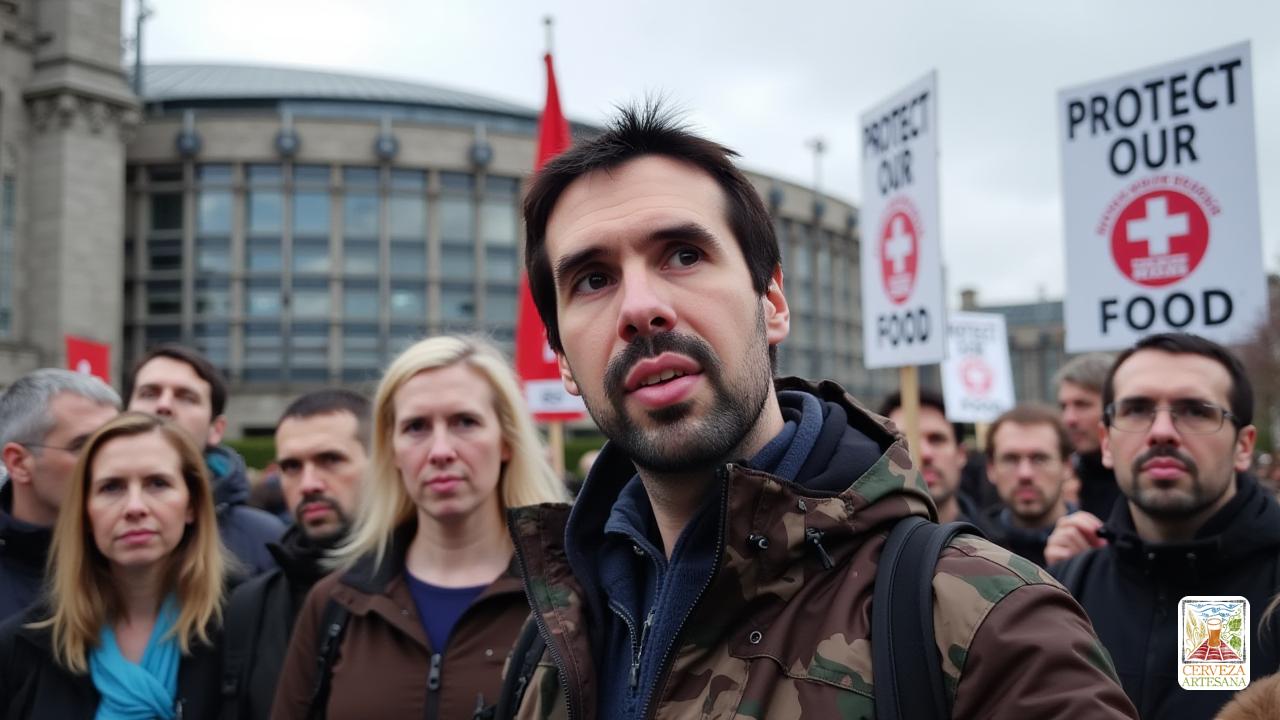
Fortunately, we are not alone in this fight. The non -patents on Seeds initiative! It has the support of more than 300 NGOs and agricultural organizations that have collected 100,000 signatures against this situation. They demand that European entities implement regulations that stop this trend. Joint action is required before this ship sinks into the ocean of corporate patents.
Final reflections: cultivating future
While European governments are discussed between regulations and companies that seek to expand their domain, it is crucial that we also think about the future of our food. Do we want a world where our seeds are trapped in packages that only a few can open? To protect our right to cultivate and consume freely, it is vital that we are alert and demand a legal framework that reflects our needs and values.