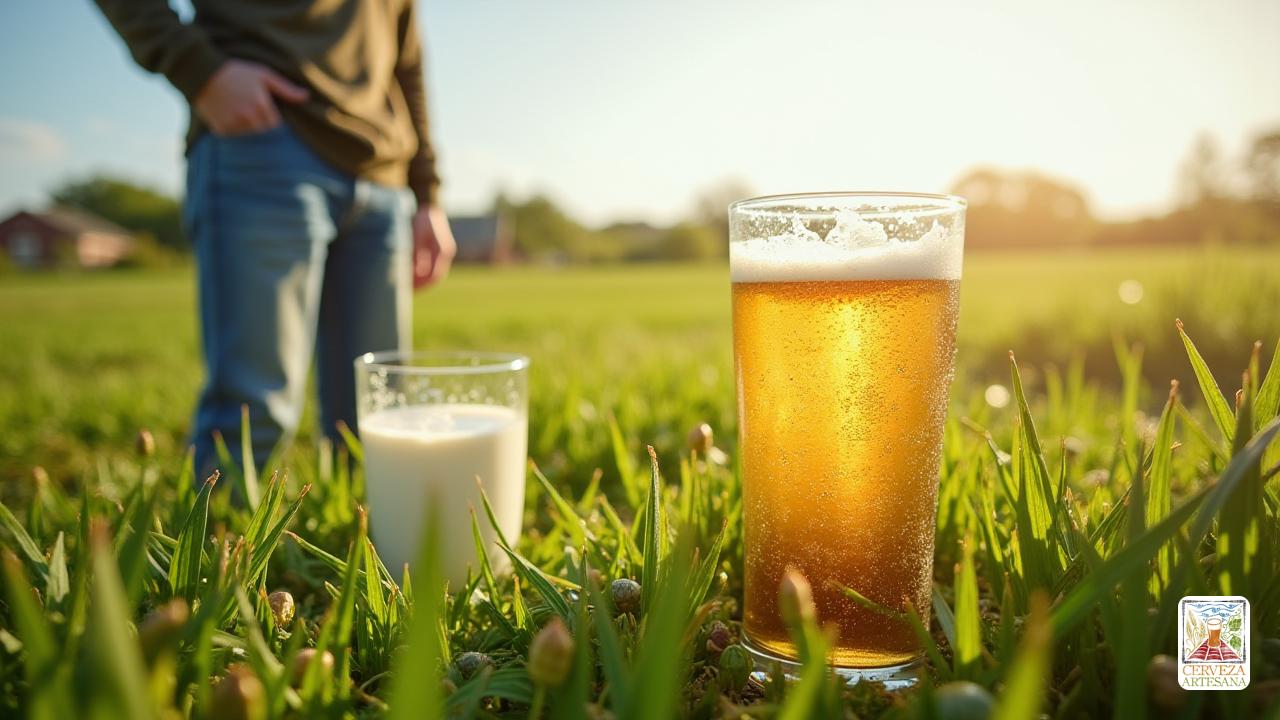
From a sip to the revolution: the science that challenges old myths
A look at the most recent research reveals that what we used to consider as an unhealthy option can have its benefits, while some products as everyday as milk could not be the heroes we thought. The key seems to be how and how much we consume, and in an approach that prioritizes animal and environmental well -being.
The surprising hidden face of the dairy
For years, milk and its derivatives have been presented as essential sources of calcium and bone strengthening. However, recent studies indicate that their frequent consumption may be related to a greater incidence of chronic diseases such as obesity, diabetes and certain types of cancer. In addition, this liquid, which sell us as a healthy food, can cause problems such as inflammation, excess mucus and digestive discomforts derived from lactose intolerance.
Do they really strengthen bones?
Contrary to popular belief, some scientists suggest that excessive dairy consumption can weaken bones instead of strengthening them, even contributing to the risk of osteoporosis, particularly in older adults. This paradox has led to rethinking traditional nutritional recommendations and exploring other sustainable and healthy calcium sources.
The bright side of beer
On the other hand, beer is not only a social drink, but it could also have health benefits in its moderate version. Studies of relevant weight, including investigations from institutions such as Harvard, show that responsible consumption may reduce the chances of heart attacks, heart attacks and heart -related problems. In addition, you can play a role in the prevention of type 2 diabetes and reduce the formation of bile calculations.
An ally for bones?
Interestingly, among the attributes attributed to beer is the ability to strengthen bones and avoid its fragility, an effect that surprisingly contrasts with criticism of dairy products. This adds to a list of benefits that feed the debate on whether alcohol, consumed in moderation, can be part of a healthy lifestyle.
Commitment to the planet and animals
Beyond physical benefits, reducing the consumption of products of animal origin has a direct impact on the sustainability of the planet. The livestock industry is one of the largest responsible for greenhouse gas emissions, and its exploitation generates extreme animal suffering. From the early separation of the young of their mothers to the harsh conditions in which they are maintained, this practice has been strongly questioned by organizations that promote a change towards a more compassionate and ecological diet.
Save lives and reduce the footprint
Adopting a vegan diet or significantly reducing the consumption of animal products can save around 200 animals every year, in addition to decreasing the personal carbon footprint. Studies indicate that this not only helps mitigate climate change, but also prevents future pandemics, since many zoonotic diseases such as COVID-19 and H1N1 flu arose in situations decreases and massive animal farms.
It may be time to reconsider what our dish tells us and what impact we want to have on the world we share, because a change in our choices can make a difference in our health, the planet and the creatures with which we share this home.